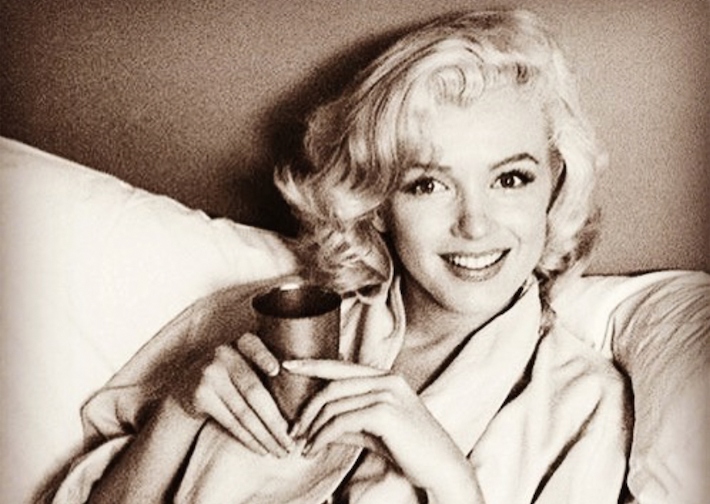
Give beauty sleep new meaning.
Sleep describes the period when the body ceases to engage in most voluntary bodily functions, thus providing an opportunity for the body to focus on restoration and repair. During this time, conscious brain activity is fully or partially suspended, a state that contributes to restoring and maintaining emotional , mental, and physical health. In recent years, doctors and organizations such as the National Sleep Foundation have encouraged the wide acceptance of sleep as one of the three pillars of health, together with nutrition and exercise.
All sleep can be divided into two states: REM and Non-REM. REM is acronym for Rapid Eye Movement sleep, and represents a period when brain waves have fast frequency and low voltage, similar to brain activity during waking hours. However, during REM sleep all voluntary muscles cease activity except those that control eye movements. Dreams take place during REM sleep. It is the period of sleep where the body is in a deeply subconscious site, and much healing, repair, and restoration occurs.
Non REM sleep can be further subdivided into three stages: Stage N1 sleep is the state between wakefulness and sleep: it is vey light, and some people don’t even recognize they are asleep during this stage. Stage N2 is a true deep sleep. Stage N3 is deep sleep or delta sleep. Interestingly, sleep typically occurs in 90 - 120 minute cycles, with transitions from the N stages of sleep in the first part of the night to REM sleep in the latter.
Age plays a huge factor in normal sleeping patterns. Newborns need between sixteen to eighteen hours of sleep a night, preschoolers need ten to twelve hours, and school age children and teenagers need nine or more hours. Because deeper N3 and REM sleep states diminish as individuals age, older adults experience more difficulty getting to sleep and staying asleep. At a time when individuals tend to need more reparative and restorative sleep, they actually receive less.
Some of the most common sleep disorders include insomnia (difficulty getting to sleep and staying asleep), sleep apnea (where breathing may stop or be blocked for brief periods during sleep), sleep deprivation (not getting enough sleep), restless leg syndrome (an uncontrollable need to move legs at night, accompanied by tingling or other discomfort), narcolepsy (a central nervous system disease that results in daytime sleepiness and other issues, including loss of muscle tone and more), and problem sleepiness (when when daytime sleepiness interferes with regular responsibilities, such as working or studying).
In addition to sleeping disorders, lack of necessary sleep can cause a myriad of other physical and emotional problems. It contributes to adrenal fatigue, poor digestion, weight gain and or obesity, grogginess, decreased focus and concentration, memory problems, increased irritability, and frustration levels and other mood challenges, heart disease, a compromised immune system, and a higher likelihood of chronic or autoimmune conditions.
When children don’t get the sleep they need, both physical and emotional development can be negative affected. The necessity for regular, healthy sleeping patterns is apparent when one considers the serious difficulties and disorders caused by a lack of sleep.
Countless individuals have turned to natural remedies to promote ease in falling asleep, staying asleep, and reaching the deeper levels of sleep. There are supplements and essential oils that work together to reduce symptoms of the more serious sleeping disorders and should be considered as a viable addition or alternative to sleep treatments as advised by medical professionals. The benefits of using both, supplements that work internally, as well as essential oils like lavender to promote healthy sleep are numerous and astounding, and the results can be life-altering for the chronically sleep deprived!